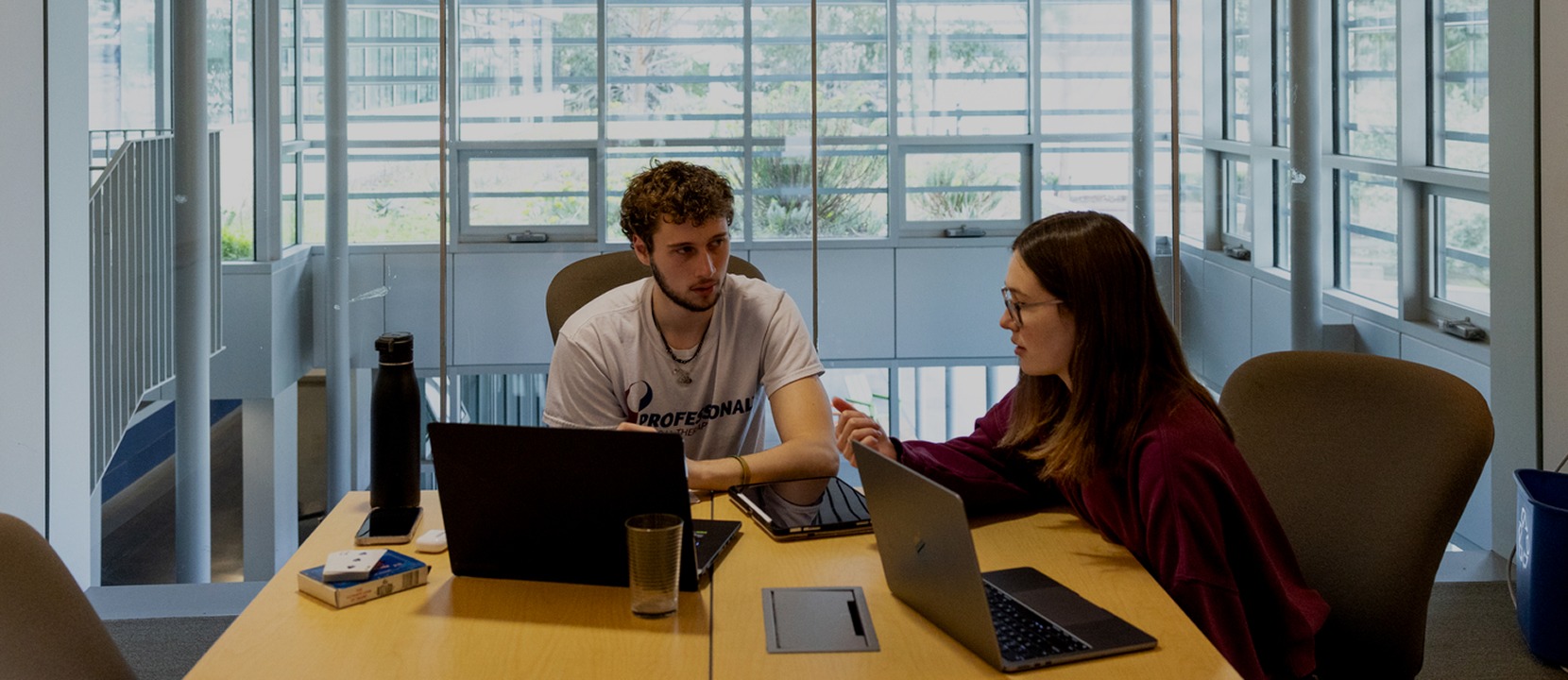
Mills College’s location on Northeastern’s Oakland campus offers an incredible opportunity for students to work on transformative research alongside our world-renowned faculty. In addition, Oakland students can collaborate with our Center for Transformative Action to spark bold ideas and drive real-world change rooted in equity and sustainability—creating lasting impact across the San Francisco Bay Area and beyond.
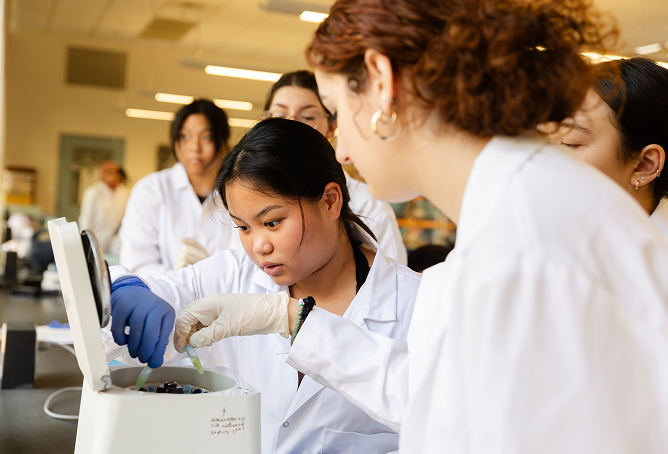
A group of students wearing lab coats and gloves work together on an experiment, focused on a centrifuge in a bright laboratory.

Research essentials badge

Mills’ Research Essentials badge helps undergraduates build the skills and confidence to get started in research opportunities. By earning this badge, you’ll:

  • Learn how research works, from peer review to reading academic texts
  • Build research literacy and critical thinking skills
  • Discover how to find and join research opportunities across Northeastern’s global experiential network

This badge opens doors across campuses and disciplines, and serves as a launchpad for academic growth, real-world learning, and career mobility. 

Recent opportunities at Mills College

Here is a sample of recent faculty-led research projects involving contributions from our students:

Using VR to shape political attitudes 

Researchers are examining how immersive virtual reality can foster empathy and influence political attitudes by placing participants directly inside emotionally charged scenarios. By pairing VR experiences with physiological measures such as heart rate and skin conductivity, the team captures levels of emotional engagement that go beyond self‑reported responses. Their work is helping clarify how VR might be used more effectively in political communication and educational settings.

Humanizing reentry through XR

The project explores how extended reality can support the reintegration of individuals formerly sentenced to life without parole, particularly those whose experiences are shaped by domestic violence. Grounded in participatory action research, the work centers the perspectives of justice‑impacted individuals themselves, using their insights to design practical, technology‑driven tools that address real reentry challenges and promote a more human‑centered path forward.

Applying gamification to education

Educational science games are being used to boost student motivation, deepen engagement, and strengthen understanding of core scientific concepts through game‑based learning. Working directly with student collaborators, the team designs and tests gameplay mechanics to see which approaches meaningfully support learning. Their research evaluates how these games shape learning outcomes, influence attitudes toward science, and enhance the overall classroom experience. 

Studying stress response to aversive stimuli 

Caenorhabditis elegans—a microscopic roundworm widely used in neuroscience—offers a powerful window into how organisms respond to aversive stimuli such as electric current and physical drop‑offs, revealing how behavior maps onto underlying brain states. To capture these reactions with greater precision, researchers are developing a long‑term microscopy technique that enables real‑time observation of both neural and behavioral responses, expanding the tools available for studying microscopic neural activity. 

Uncovering plant survival strategies in changing climates

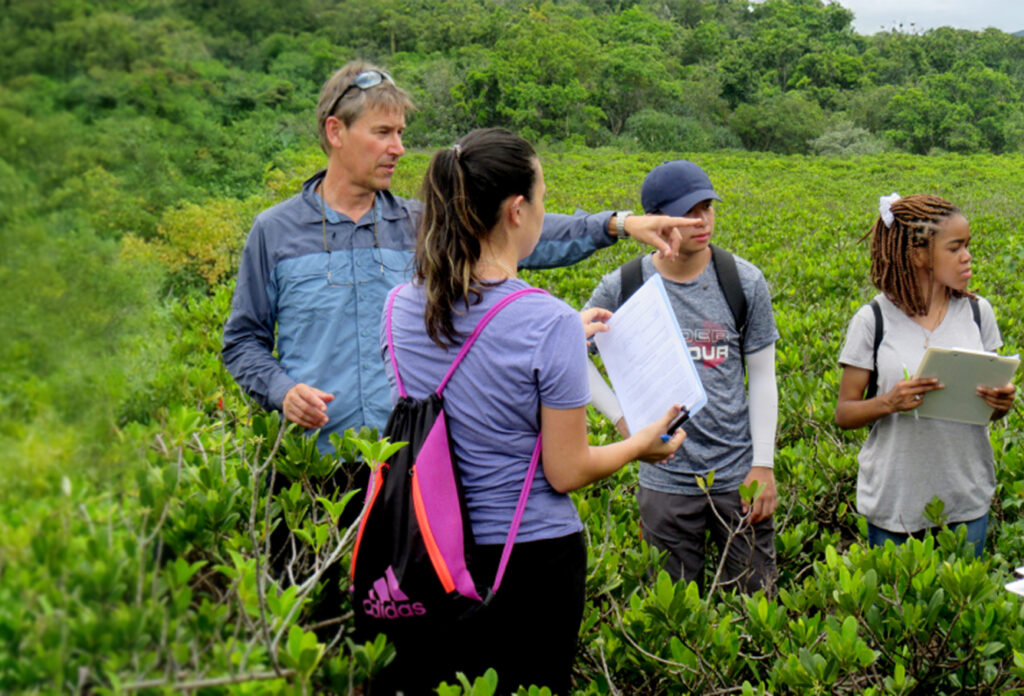
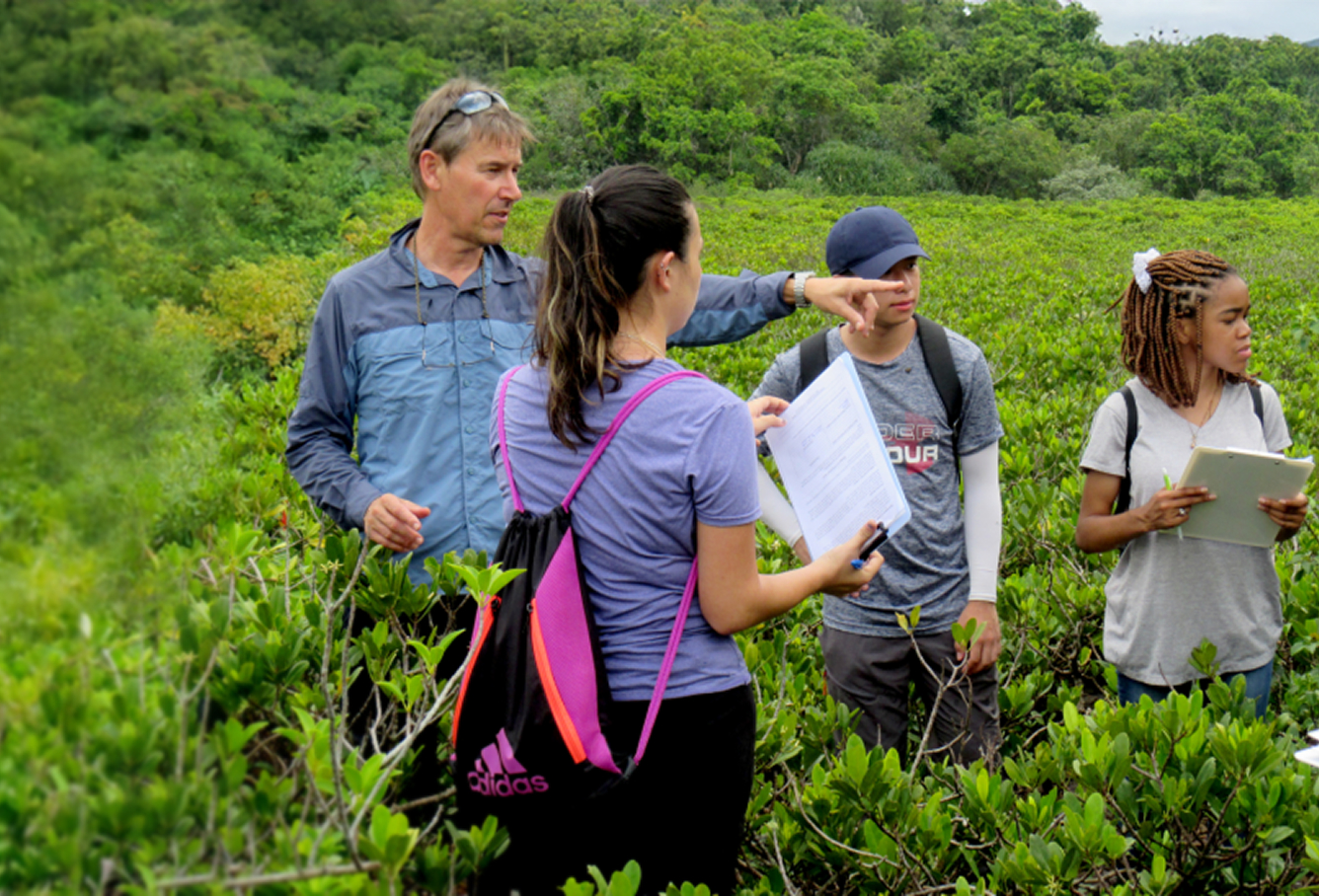
Small, isolated populations of naturally rare plants face intense ecological pressures and shifting environmental conditions, yet many persist through a combination of genetic diversity, gene flow, and long‑term population dynamics. Through fieldwork, ecological modeling, and molecular analyses, researchers are uncovering the mechanisms that enable these species to survive in fragmented habitats. The resulting insights are helping shape conservation strategies and guide science‑based policy in close partnership with land managers. 

Exploration with purpose

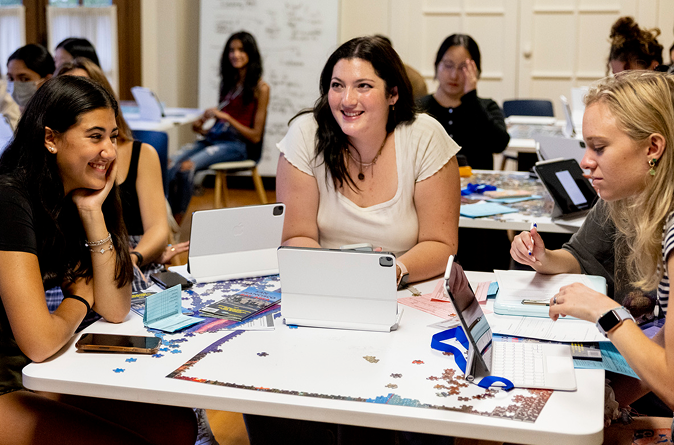
  • A group of young women sit around a table with tablets, papers, and a puzzle, smiling and talking in a bright classroom with others working in the background.
    The Center for Transformative Action

    Students at Mills engage in research exploring the social and economic dimensions of sustainability. Working with faculty and community partners, you’ll investigate emerging challenges, analyze data, and develop ideas that advance equity and justice. This hands‑on experience deepens your understanding of complex systems and prepares you to contribute meaningful solutions.

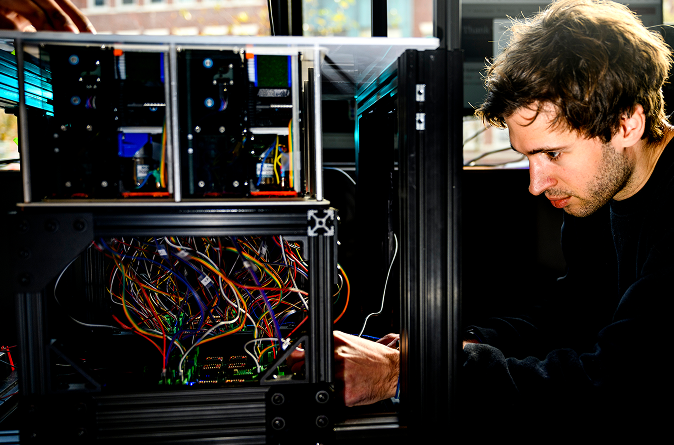
  • A person intently works with colorful wires and electronic components inside a metal-framed machine, focusing on assembling or repairing complex hardware.
    Independent research

    Mills College students can apply for funding to pursue their own research through the Undergraduate Research Opportunity Program. You may request one grant—up to $500—per academic year, with a maximum of two awards. These grants support student‑led projects that aim to strengthen communities and improve lives around the world.

Request information

Have questions or need more information? We’re here to help.